


Visiting Frontier Research and Technology Centers – Rose Study Tour in Beijing
From July 19 to 24, 2026, students from the School of the Gifted Young (SGY) at the University of Science and Technology of China (USTC) took part in the annual Rose Study Tour in Beijing. Over six days, the students visited leading national research institutes and technology companies, gaining first-hand exposure to developments in artificial intelligence, computer architecture, astronomy, precision measurement, autonomous driving, and quantum computing.
The program is part of SGY’s effort to broaden students’ academic horizons beyond the classroom and to help them explore connections between fundamental research, technological innovation, and future career paths.
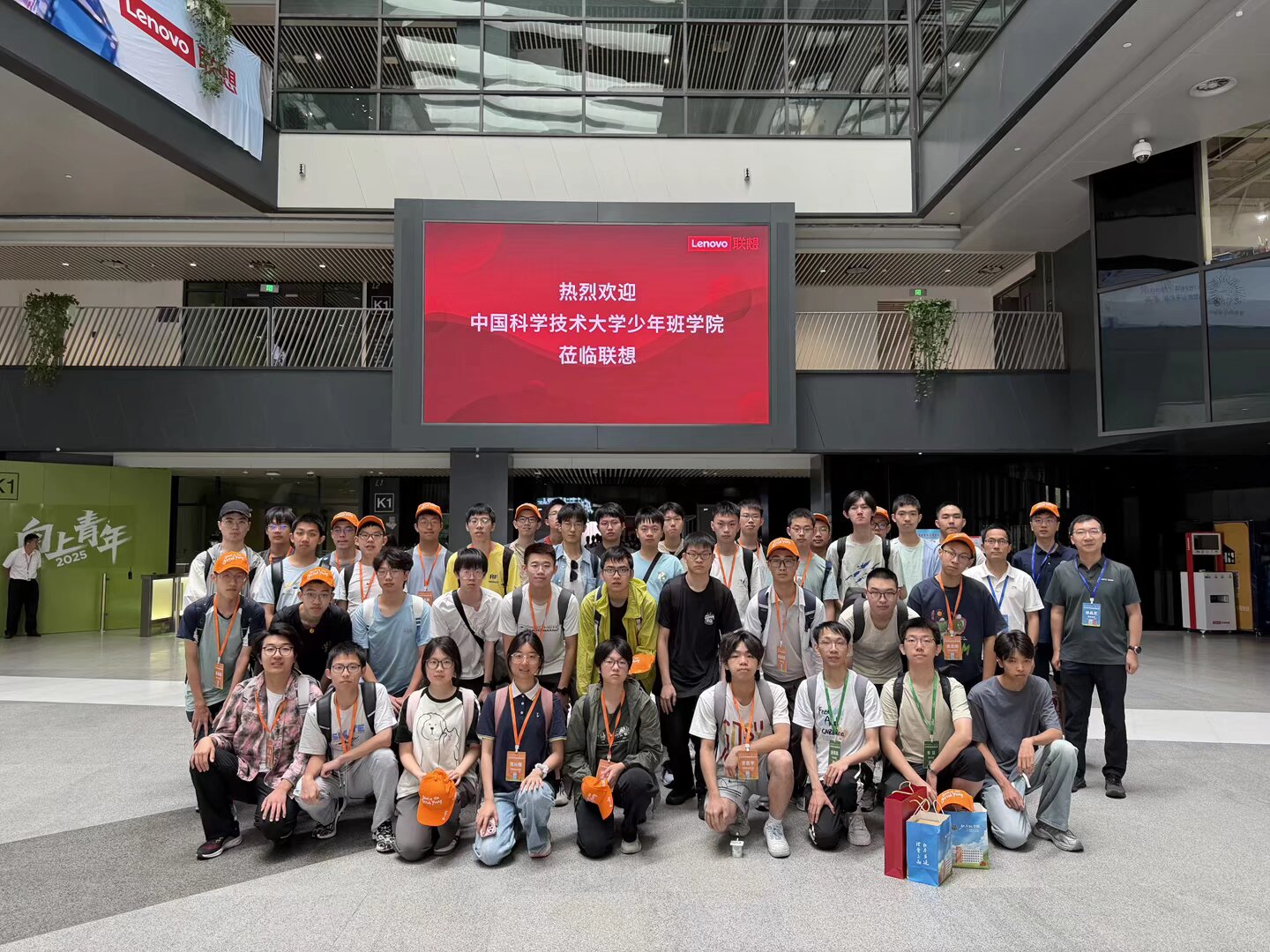
The tour began at Lenovo, where students visited the Lenovo Future Center and learned about the company’s technologies and solutions for both individual and enterprise users. A presentation on enterprise AI transformation introduced students to the challenges of integrating artificial intelligence across large organizations and highlighted the importance of collaboration across the technology ecosystem.
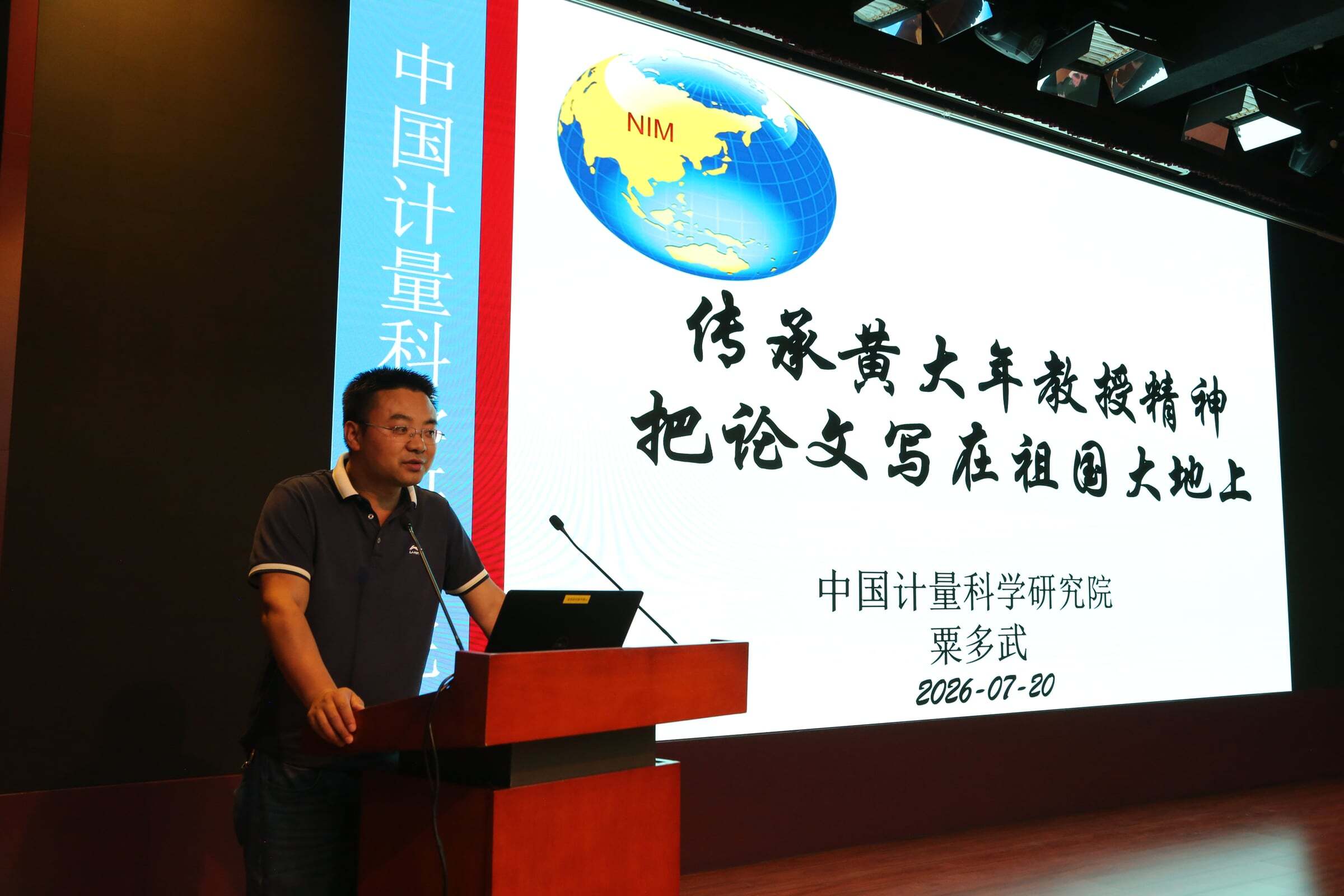
The group then visited the National Institute of Metrology (NIM), China’s national laboratory for measurement science. Students toured laboratories in time and frequency metrology, gravitation, and medical accelerator research, among other facilities. The visit offered a close look at the role of precision measurement in modern science and technology and at the demanding experimental work behind advances in metrology.
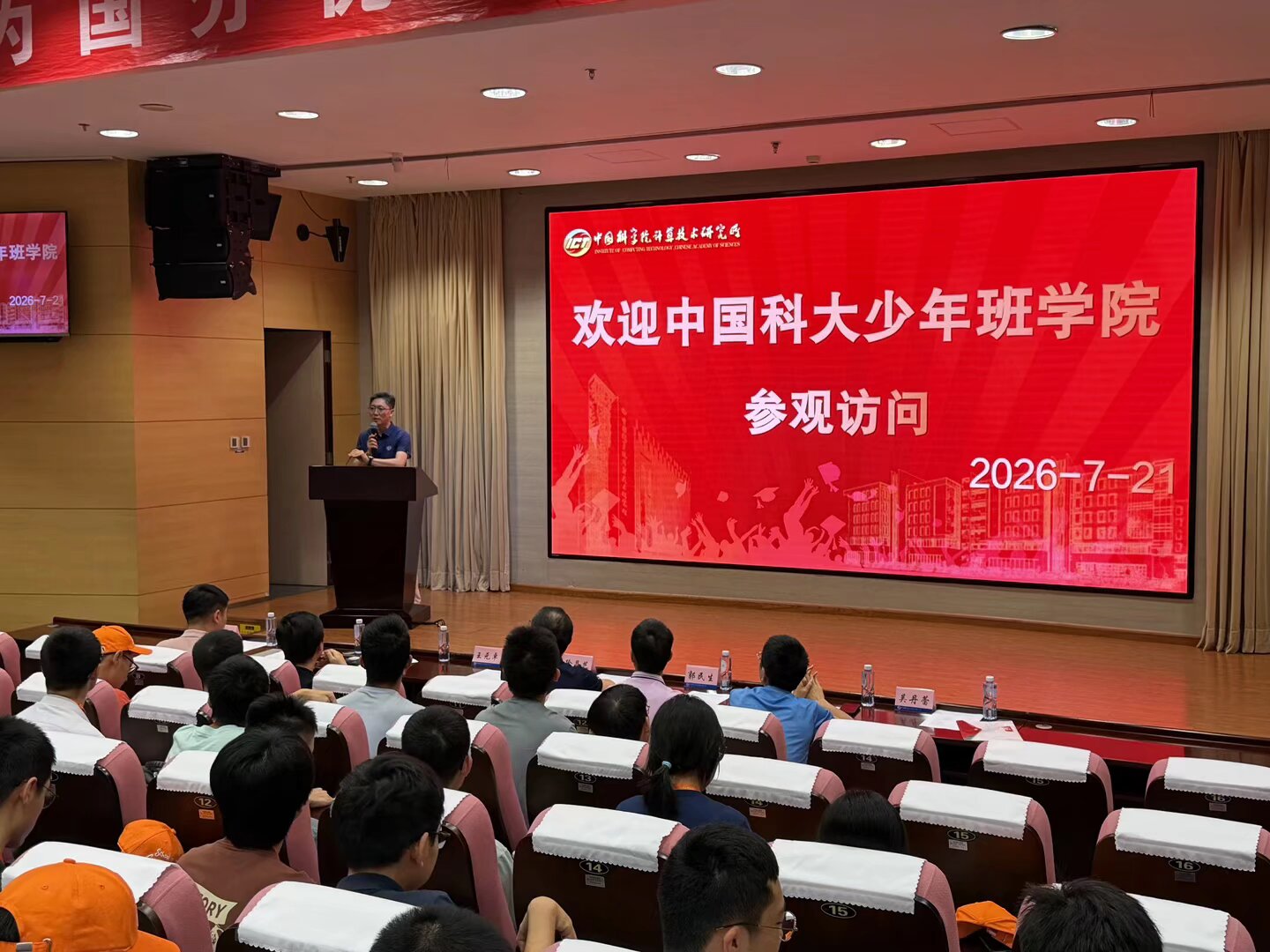
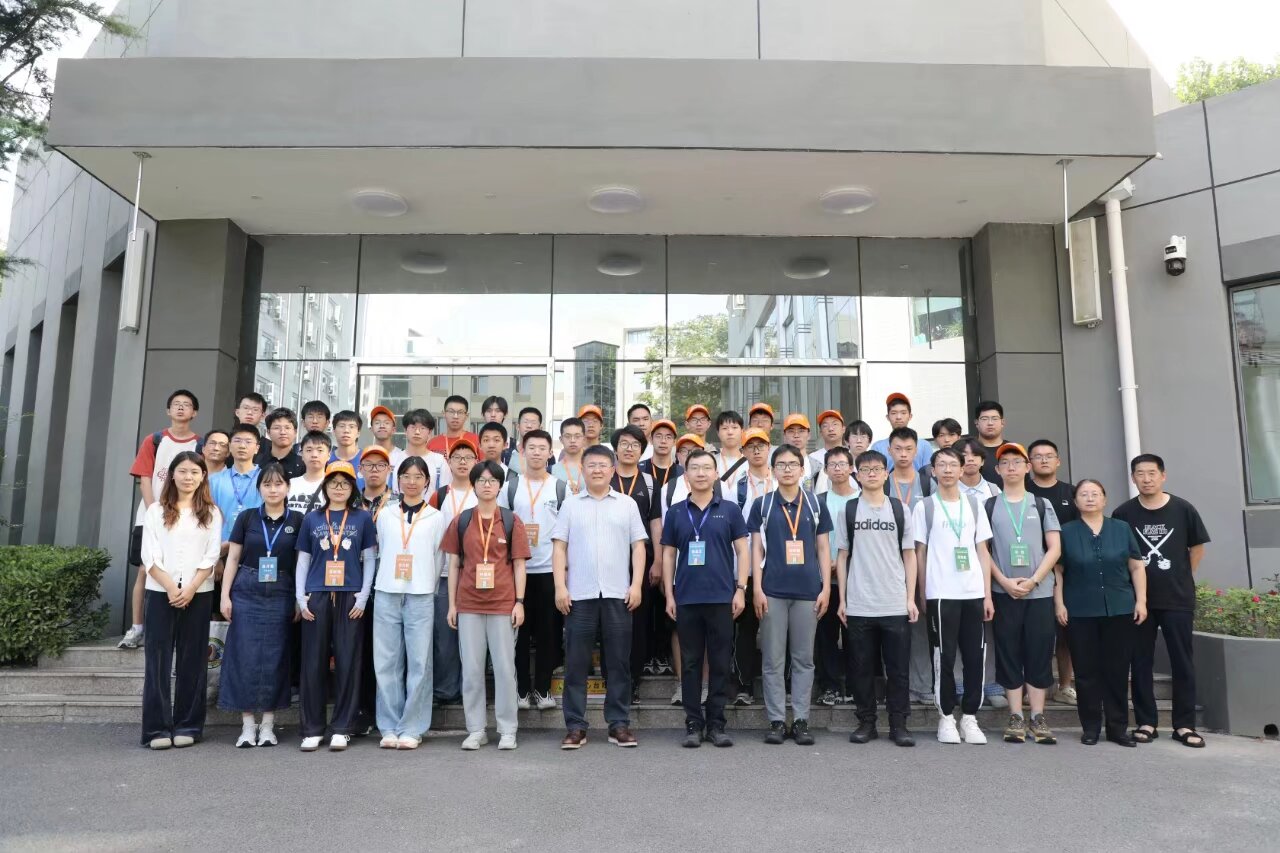
At the Institute of Computing Technology of the Chinese Academy of Sciences (CAS), students learned about the history and current research programs of one of China’s major computer science institutes. A lecture on RISC-V and open-source processor design introduced emerging trends in computer architecture and the growing role of open technological ecosystems. SGY alumnus Lu Tianyue, now an associate researcher at the institute, also shared his experience in graduate study and research.
The students next visited the National Astronomical Observatories of CAS, where they were introduced to China’s major astronomy and space-science programs. Exhibits and models of facilities including the Five-hundred-meter Aperture Spherical Radio Telescope (FAST) and the Large Sky Area Multi-Object Fiber Spectroscopic Telescope (LAMOST) gave students a tangible sense of the scale and complexity of modern astronomical research.
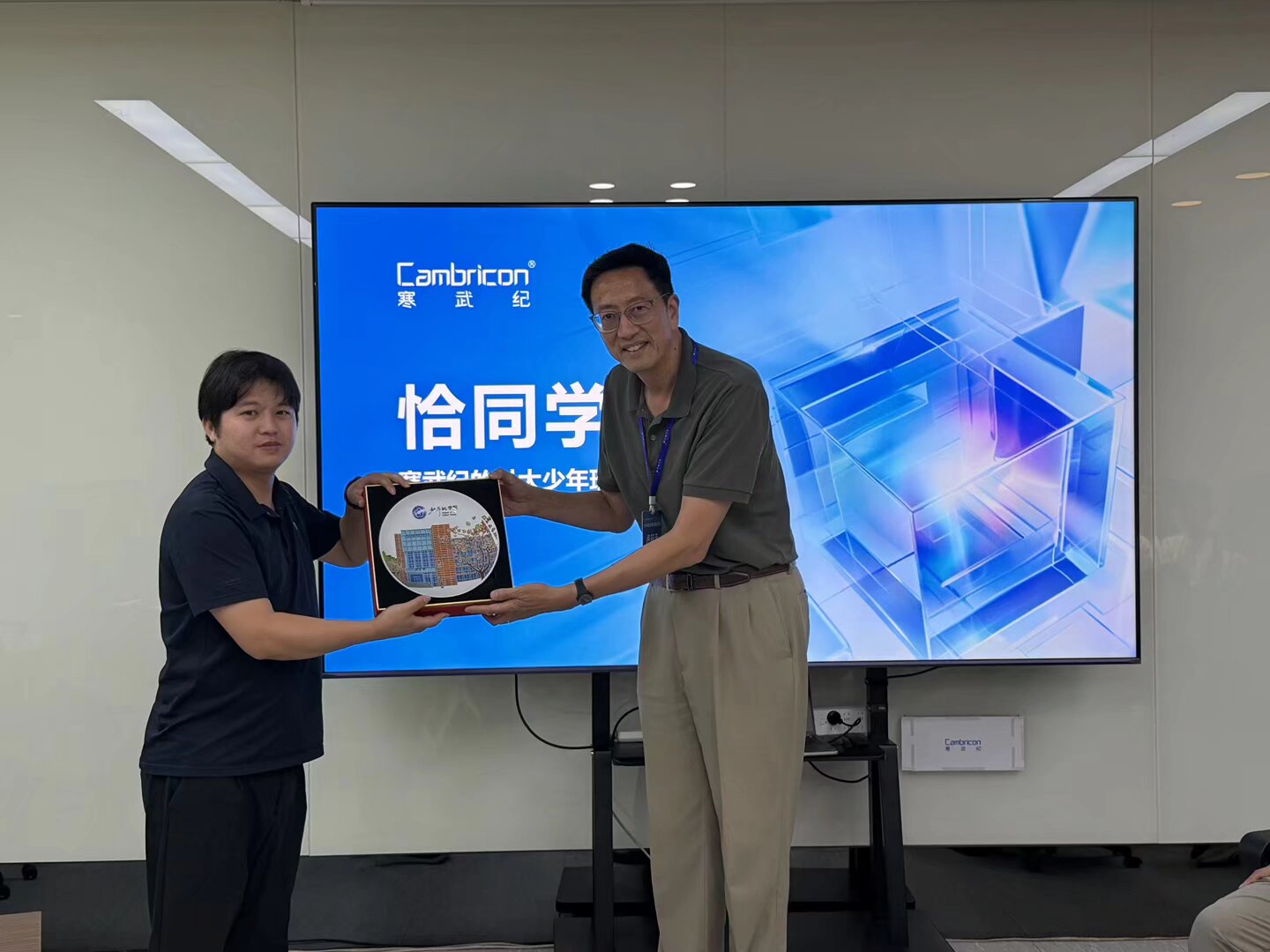
Artificial intelligence was a major theme throughout the week. At Cambricon Technologies, a company specializing in AI chips, students heard presentations on AI computing and the opportunities and challenges created by large language models. Several USTC alumni working in technology and research shared their career experiences, including transitions between academia, established companies, and start-ups.
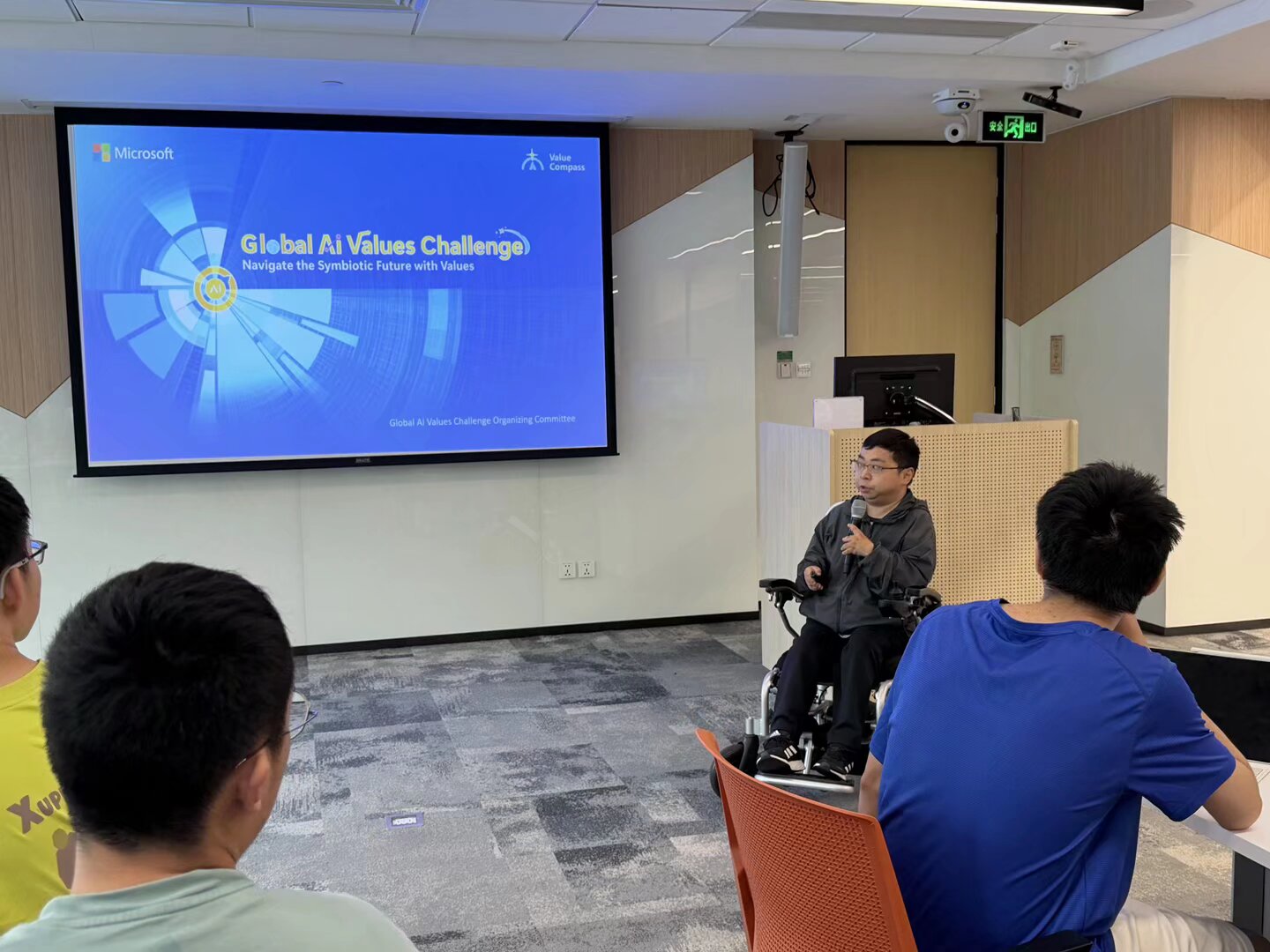
At Microsoft Research Asia, students visited the Microsoft Garage innovation space and attended research presentations by scientists and USTC alumni. They also participated in an AI Value Challenge, in which teams were asked to formulate and discuss challenging questions concerning AI ethics. The exercise encouraged students to consider not only what emerging technologies can do, but also the broader values and responsibilities that should accompany their development.
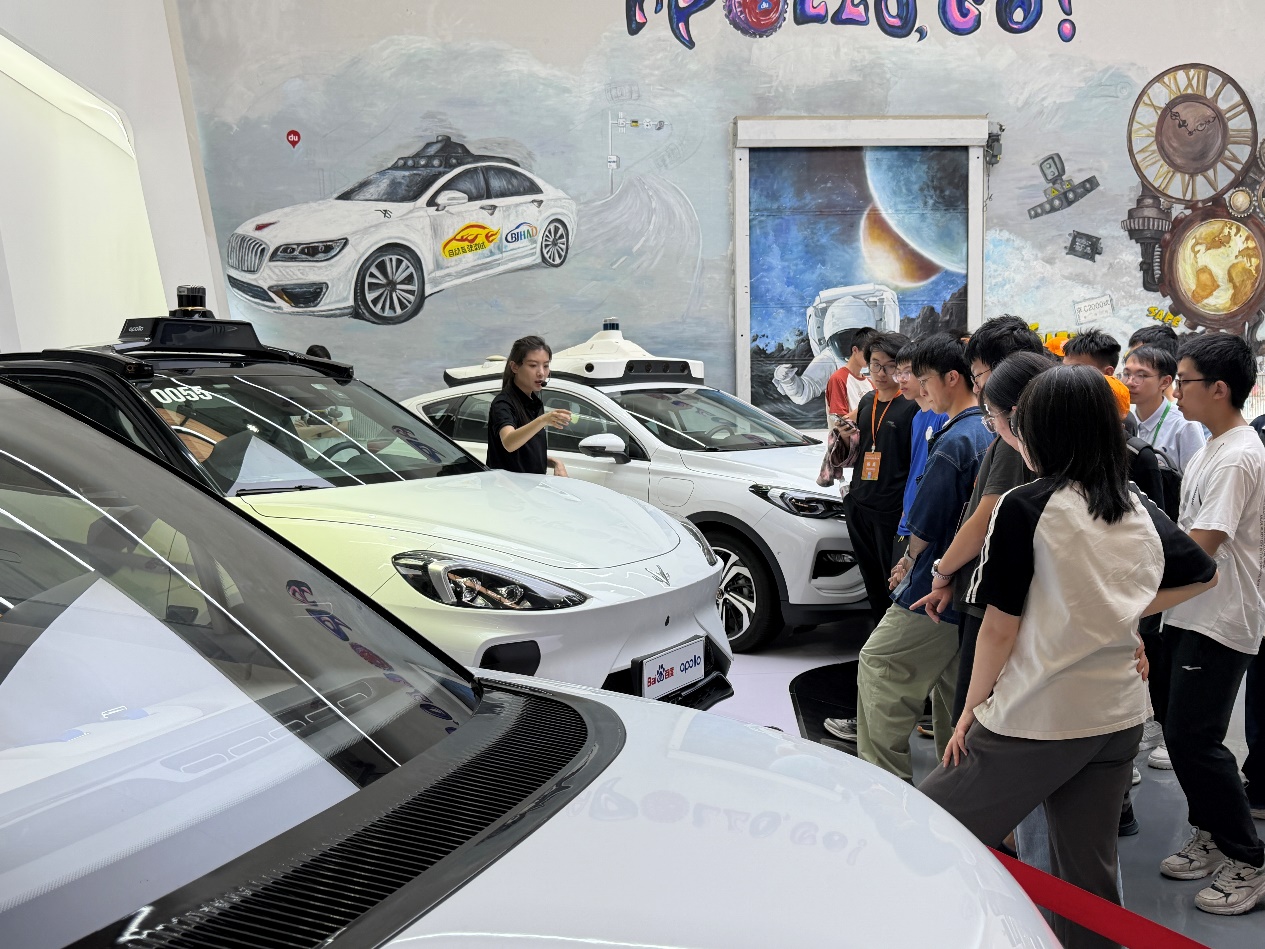
The visit to Baidu provided another perspective on the rapidly changing AI landscape. Students watched a live demonstration of programming with an AI agent, toured one of Baidu’s hyperscale data centers, and visited Apollo Park, where they experienced autonomous-vehicle technology firsthand. Together, these activities illustrated the path from software and computing infrastructure to large-scale real-world applications.
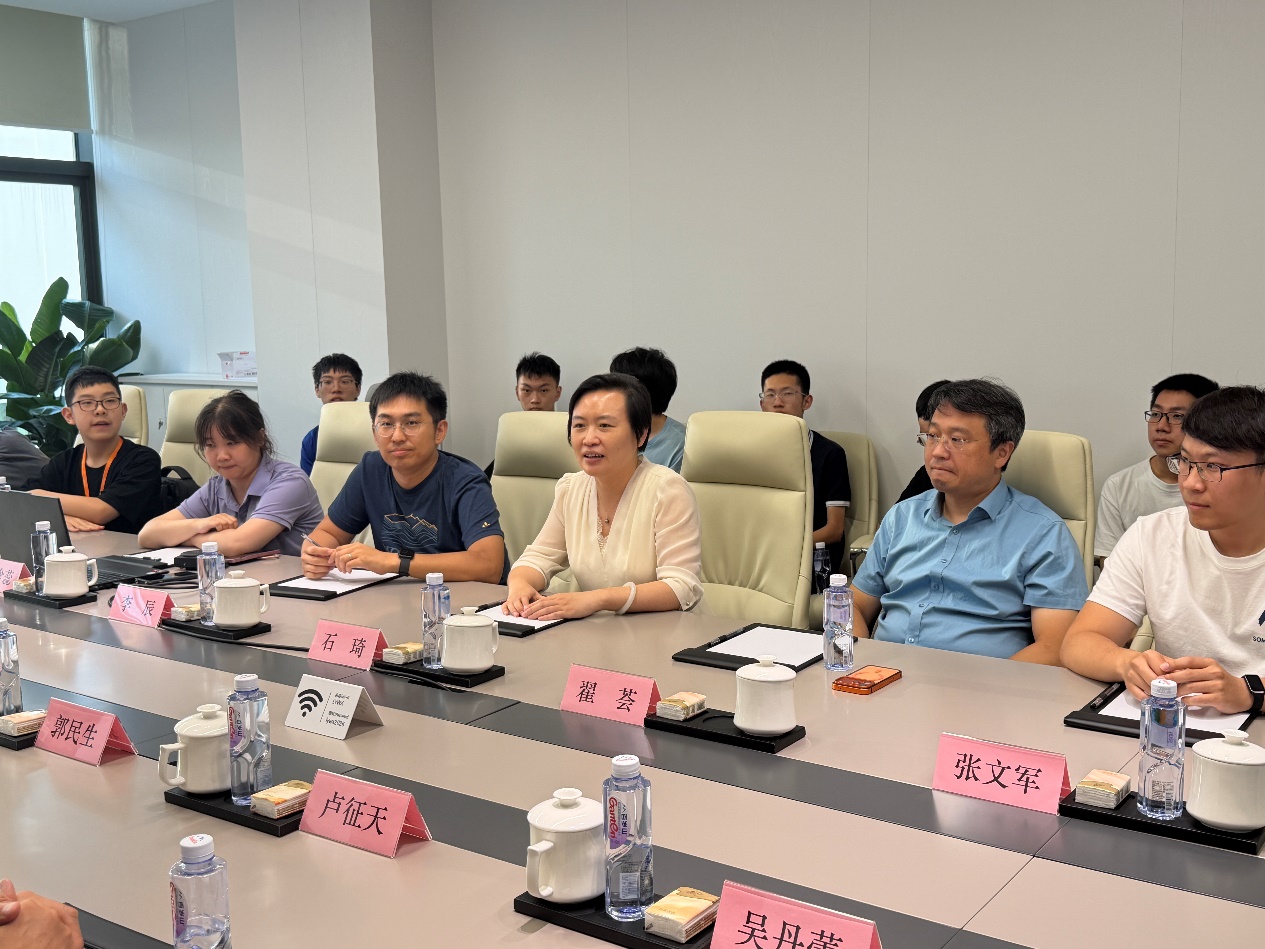
The students also visited Qosmos, a quantum computing start-up, where founder and CEO Shi Qi discussed the development of quantum computers and the company’s recent work. A laboratory tour and informal discussion with members of the company’s technical team gave students an opportunity to learn about the scientific and engineering challenges involved in bringing quantum technologies from the laboratory toward practical systems.
An important part of the program was interaction with the broader USTC community. With support from the USTC Beijing Alumni Association, the students met with alumni working in research institutes, universities, and technology companies across Beijing. The conversations ranged from choosing academic fields and developing professional skills to graduate study and long-term career planning. For many students, hearing candid accounts from alumni who had once faced similar choices was one of the most valuable parts of the trip.
By connecting research laboratories with technology companies, and scientific exploration with conversations about education and careers, the six-day program gave SGY students an opportunity to see how ideas move from fundamental research to technological development and application. It also encouraged them to think more broadly about the paths they might pursue as scientists, engineers, and innovators.
For SGY, experiences such as the Qiangwei Study Tour complement its intensive academic curriculum by giving young students early opportunities to engage directly with researchers, industry leaders, and alumni—and to explore where their own curiosity may lead.